
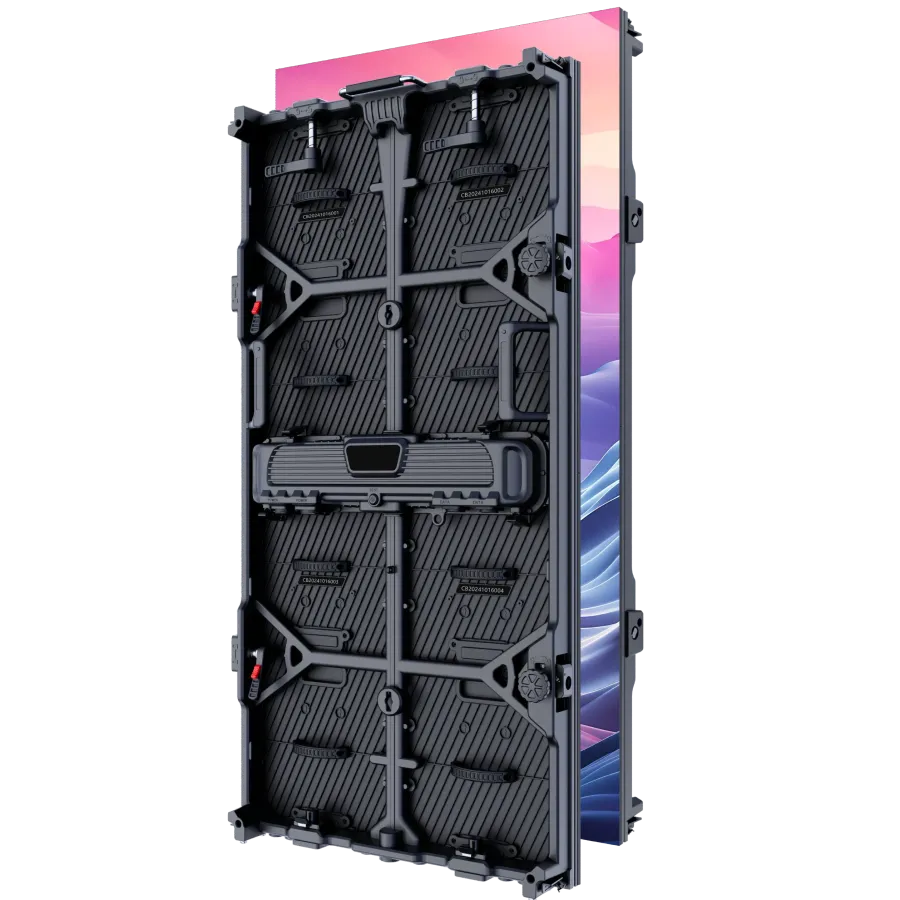
FACTORY · SHENZHEN, CHINA · GLOBAL DELIVERY

One Production Line, Five LED Display Families, Built End-to-End.

Design, build, calibrate, ship — all in-house, all under the same quality discipline. Every cabinet leaves the floor with its calibration report attached.

WHAT WE DO

One Factory, the Complete Production Lifecycle

The ARECH factory in Shenzhen, China runs the complete LED display production lifecycle in one facility: from initial design and component sourcing through to final test, packaging, and worldwide shipping. The factory is not a third-party assembler running someone else's drawings — every product on the catalogue is designed by the ARECH R&D team and built by the same factory team that holds the calibration discipline behind it.

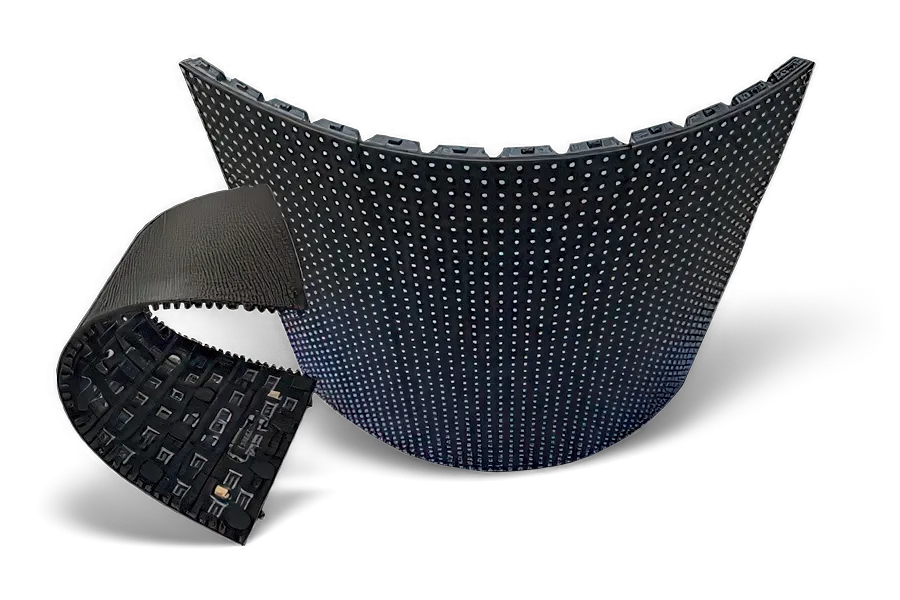
The output of the line is a versatile range. Fine-pitch HD video walls for corporate lobbies share the floor with high-impact outdoor billboards rated to 6,000 nits. Curved flexible installations bend off the same modules that build flat indoor walls. Rental cabinets for festival main stages ship out alongside small-storefront brand walls and 500-cabinet bespoke architectural installs. Whether the brief is small or massive, the cabinet goes through the same six-stage process before it leaves the floor.

6 production stages every cabinet passes

MANUFACTURING CAPABILITY

Six Stages, One Floor

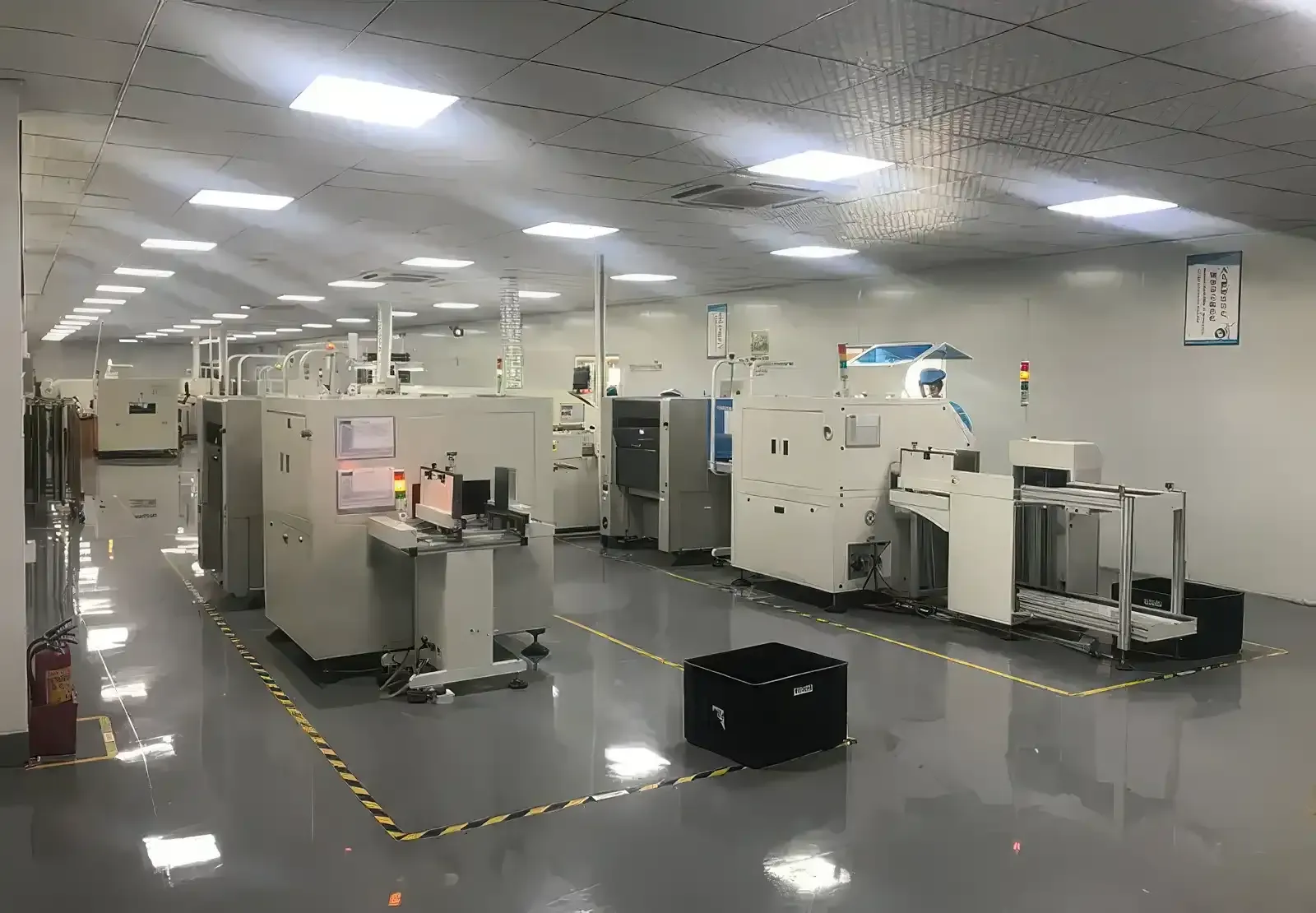
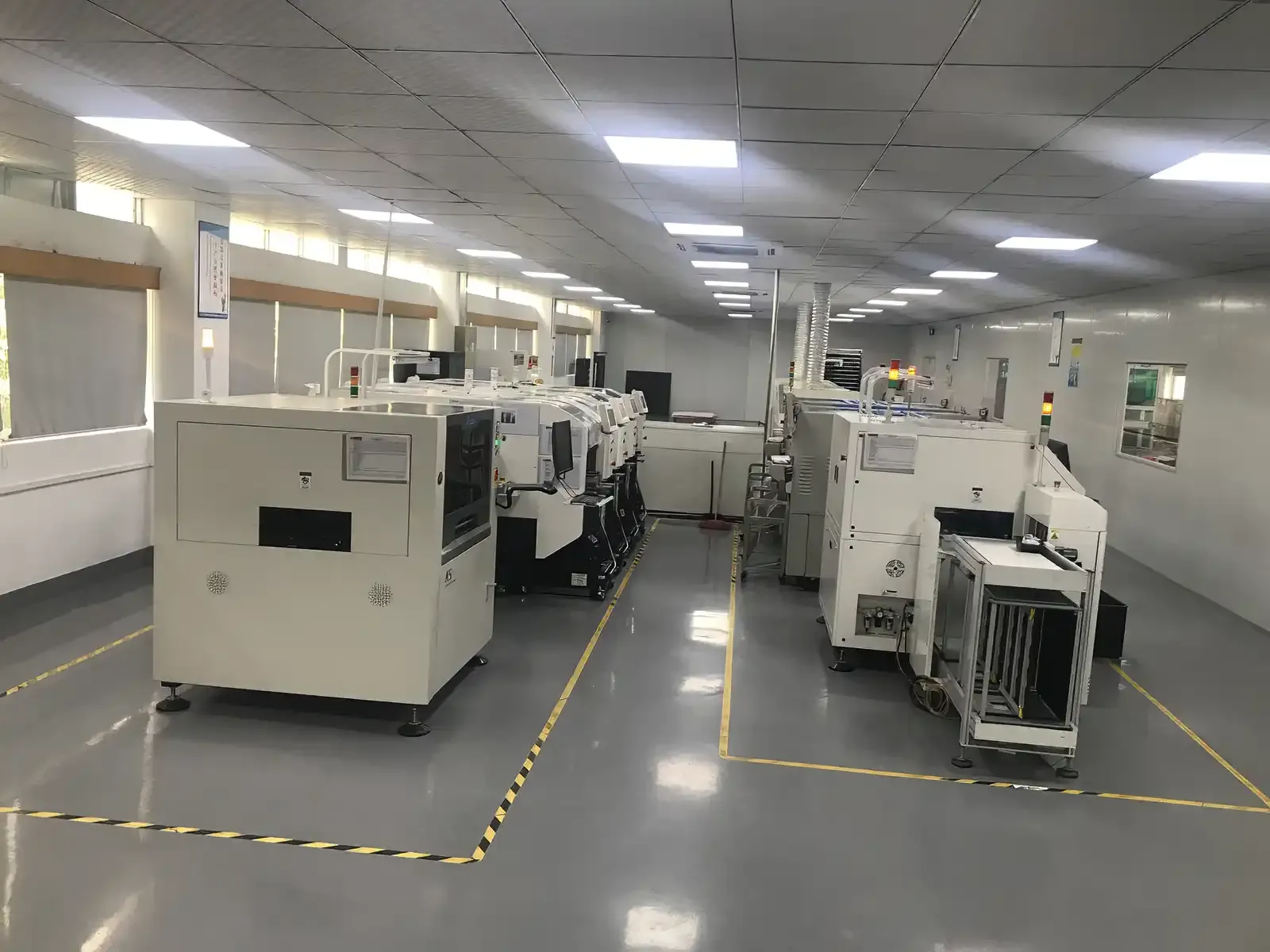
Precision in Every Pixel, Strength in Every Frame. The factory occupies Block 8 in Huihao Industrial Park, Guangming District, Shenzhen — a production footprint dedicated entirely to LED cabinet manufacturing. The line is built around six stages. Each stage is staffed by people with multi-year tenure, equipped with the right tooling, and audited against a documented tolerance band the operator can pull up on a tablet at the station.
  1. 01

    PCB & surface-mount (SMT) placement

    The PCB is the foundation. Surface-mount LED chips, driver ICs, and supporting passives are placed by automated pick-and-place lines under automated optical inspection. The operator confirms the BOM at every changeover, so a cabinet for one customer is never assembled with another customer's components.

  2. 02

    Mechanical assembly

    The populated PCB is married to the cabinet shell. Power supplies and receiving cards seat into known positions. Mechanical jigs hold module-to-cabinet alignment within tight tolerance bands, so the finished cabinet locks cleanly against its neighbour with no visible seam.

  3. 03

    Ageing chamber

    Every cabinet runs the ageing-chamber burn-in cycle. Early-life component failures — the kind that would otherwise show up two months after the install — are surfaced and reworked here, not at the customer site.

  4. 04

    Colour calibration

    The cabinet runs across the calibration bench, where pixel-level colour and brightness uniformity are measured and corrected. A calibration profile is generated for the specific cabinet and travels with it, so multi-cabinet walls calibrate consistently.

  5. 05

    Mechanical QA

    Final inspection covers cabinet mechanical fit, lock-system function, power and signal continuity, and serviceability — every front-service path is verified before the cabinet leaves the floor.

  6. 06

    Packout

    Cabinets pack into custom foam inside reinforced cartons. The team includes HS codes, export documentation, the calibration report, and CE / FCC / RoHS / ISO conformity papers, so the consignment clears customs without back-and-forth.

ARECH colour calibration bench — pixel-level colour profile readout on the operator monitor
Colour calibration bench — every cabinet ships with its profile attached.

PRODUCT RANGE

Five Families Plus Specialty Variants, Off One Line

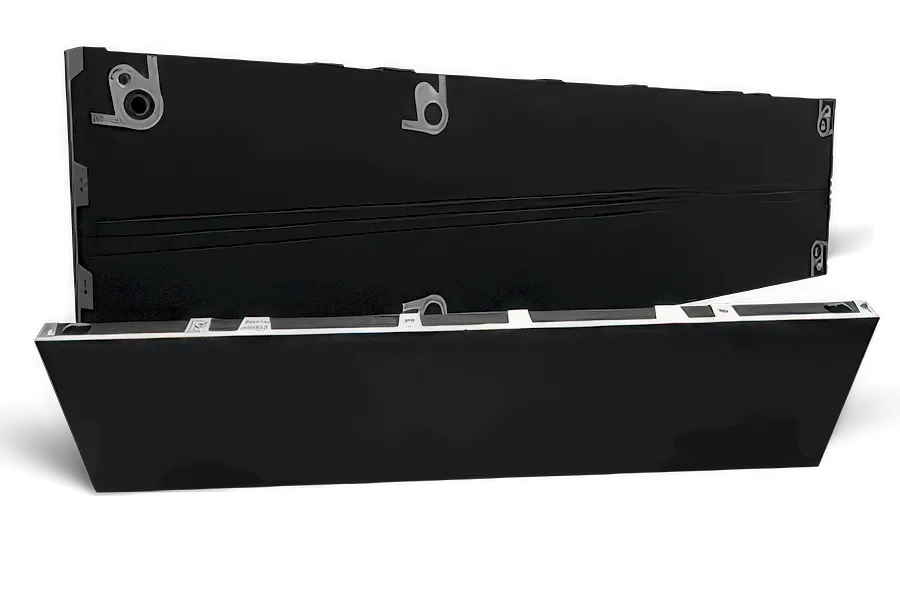
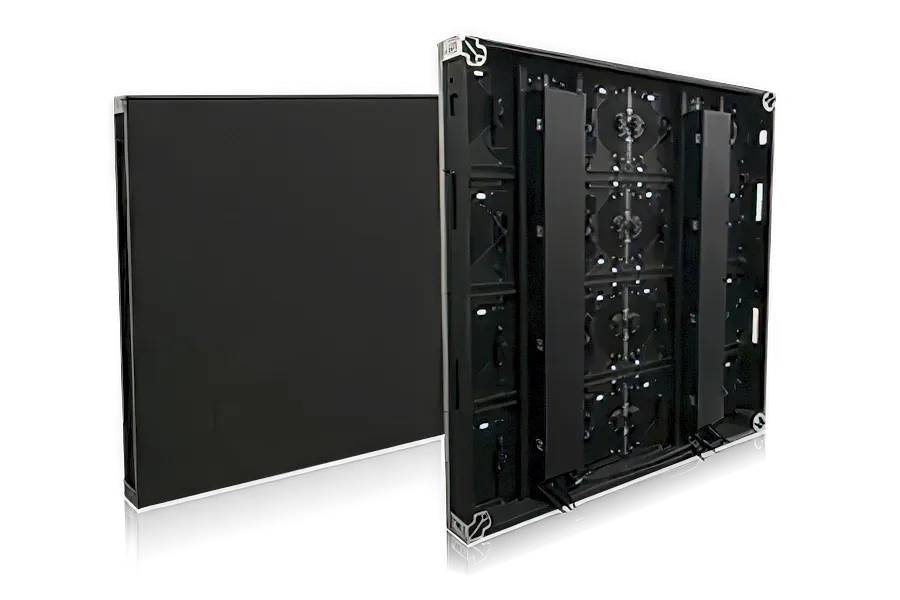
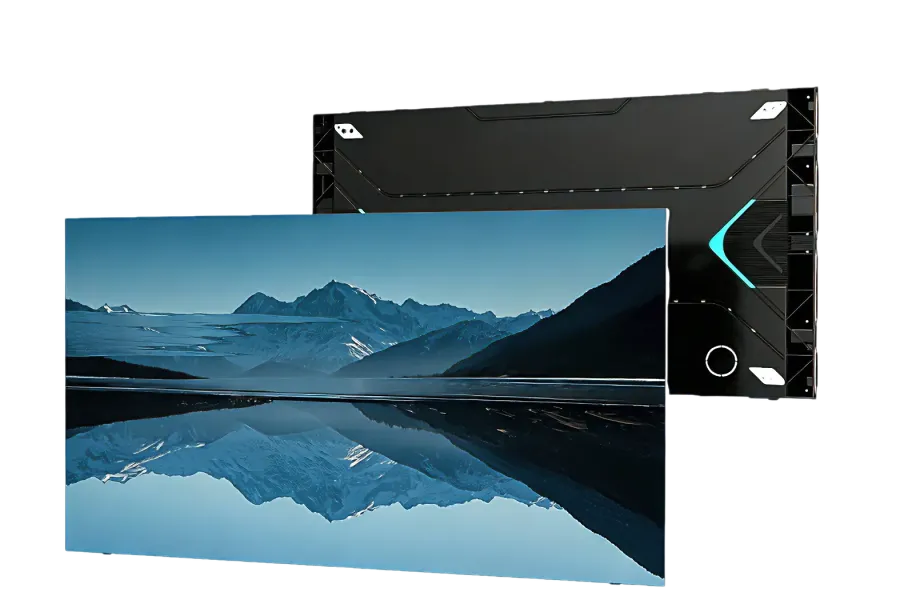
A single production line, a wide output. Indoor, outdoor, rental, HD wall, and flexible LED displays come off the same floor — plus specialty variants: stadium LED, transparent LED, energy-saving LED, and fully customised displays for bespoke cabinet dimensions, irregular outlines, or non-standard pixel pitches. Full specifications, application notes, and downloadable PDF datasheets live on each product page.

5 + 4 main families plus specialty variants

See the product range

QUALITY ASSURANCE

Quality Engineered In, at Four Levels

Vibrant Visuals, Built to Endure.

Premium materials

LED chips, driver ICs, receiving cards, and power supplies from named, qualified global suppliers under multi-year vendor agreements. No lowest-bid component of the month. Bill-of-materials parity per model means a unit delivered today behaves like one delivered last year.

Experienced craftsmanship

Production team members carry an average tenure of 7+ years inside the LED display industry. That depth shows up in the line decisions — which station to staff with which operator, which jig for which variant, which calibration profile for which pitch.

Strict process control

Every stage carries a documented tolerance band. The operator has the tolerance check live; the QA team audits adherence against the same band. Out-of-tolerance work is reworked at the station, not patched downstream.

International standards

The product range is certified to CE (EU), FCC (US), RoHS (hazardous-substance restriction), and ISO (quality-management systems) — a continuous audit cycle against external standards bodies, not a one-time milestone.

SUSTAINABILITY

Three Levers on the Floor

Energy-efficient LED design — driver IC selection, low-resistance power supplies, and tuned brightness curves keep operating power draw lower across the cabinet's service life. Lower power means lower heat soak, which in turn extends component life.

Long service life equals fewer cabinets produced — a panel rated for 100,000+ operating hours runs roughly 11 years at 24/7 duty or 27 years at a 10-hour daily duty cycle. Long-life hardware means fewer replacement cycles, less raw material consumed, less freight burned across the lifecycle.

Closed-loop scrap recycling on the SMT side — material offcuts from the SMT line and from cabinet fabrication route back into the next production batch where the recovery is feasible. The result is less aluminium and less plastic produced across the cabinet's service life.

100,000+ operating hours service life

INSIDE THE FACTORY

ARECH Factory - Six stations, one floor.

FAQ

ARECH Factory — frequently asked questions.

Where is the ARECH factory located?
The ARECH Office & Factory site is at 3F, BLK 8, Huihao Industrial Park, No. 61 Jinan Road, Guangming District, Shenzhen, China — ZIP 518106. Shipments and factory visits route through this site.
What does the ARECH factory produce?
Five LED display screen families come off one production line: indoor LED screens, outdoor LED screens, flexible LED screens, HD wall LED displays, and rental LED displays. Plus specialty variants — stadium LED, transparent LED, energy-saving LED, and bespoke customised displays.
What stages does an ARECH cabinet go through before shipping?
Six stages: surface-mount LED placement on the PCB, mechanical assembly of the module into the cabinet, ageing-chamber burn-in, pixel-level colour calibration on the calibration bench, mechanical QA on the finished cabinet, and packout into reinforced cartons with foam inserts and conformity documentation.
Does ARECH manufacture custom LED displays?
Yes. Customised LED display work is part of normal scope — bespoke cabinet dimensions, irregular outlines, non-standard pixel pitches, curved geometries, and integrated bespoke mounting hardware. Send the venue drawing or the brief and the engineering team returns a feasibility note, a price, and a delivery window.
What certifications does the ARECH factory carry?
Every product line off the ARECH factory carries CE, FCC, RoHS, and ISO certification. Certificates accompany every commercial shipment so cargo clears customs without back-and-forth.
How does ARECH approach sustainability in manufacturing?
Three levers: energy-efficient LED driver IC selection that reduces operating power draw; long-life component sourcing that extends the cabinet's 100,000+ hour service life so fewer panels are produced; and a closed-loop scrap recycling stream on the SMT side that reuses raw-material offcuts inside the same production line.